Step Into Their World: How Immersions Shape Smarter Business Decisions
At intO, we’ve perfected the art of Immersions that bridge the gap between global strategies and local realities. As we are wrapping an immersion project for YouTube, which spanned the US, Japan, Nigeria, India, Indonesia and Brazil, it’s the perfect time to explore why Immersions are a game-changer for foundational research and why they’ve become one of our most valuable services.
What Are Immersions?
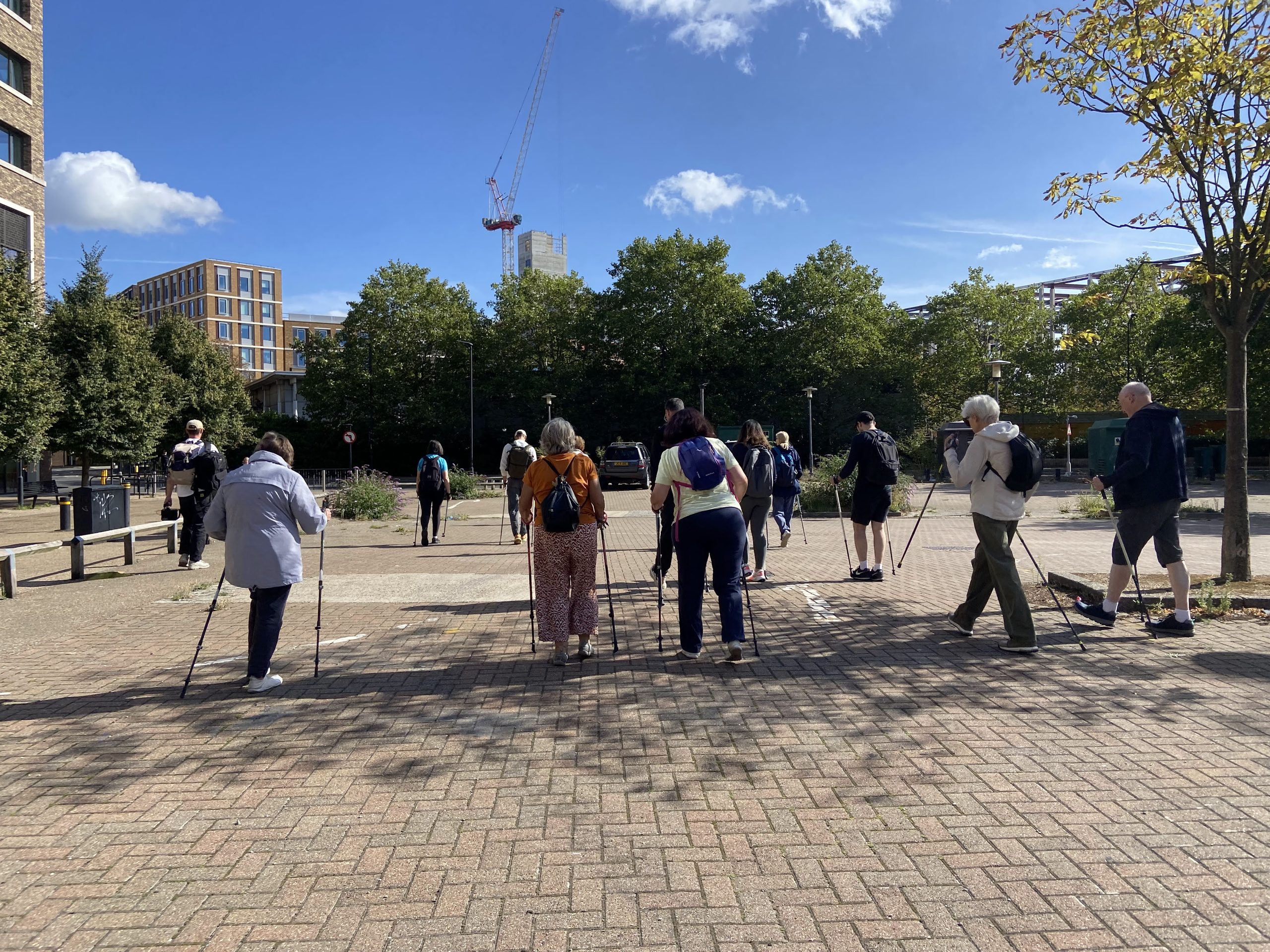
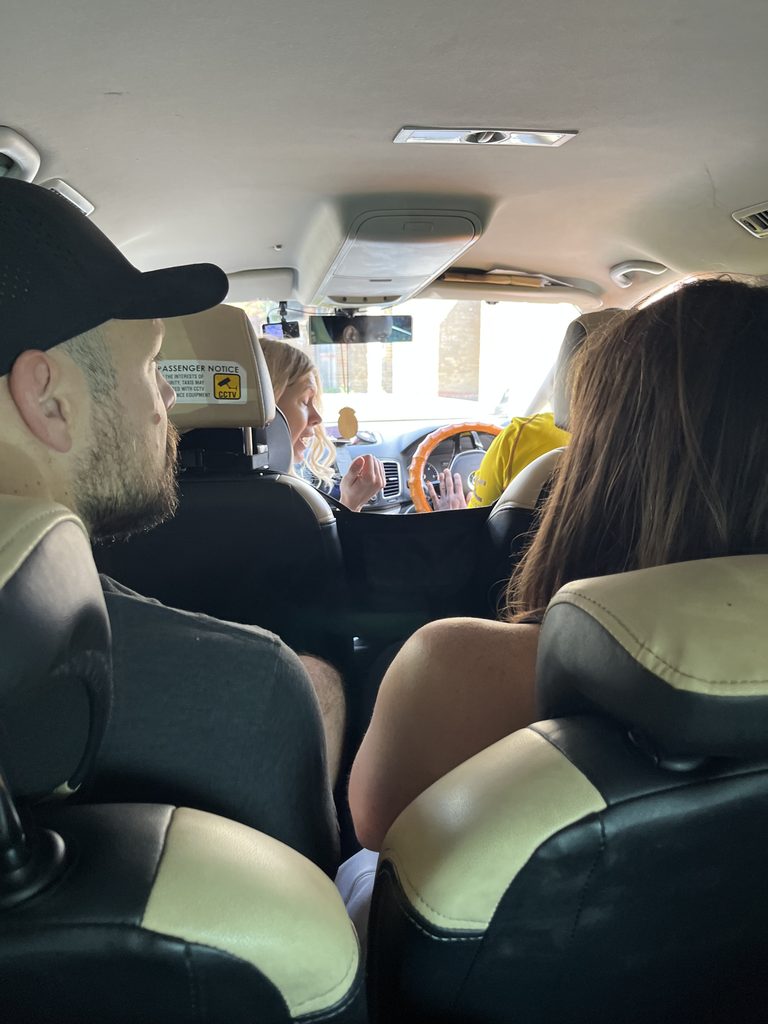
Immersions are carefully designed research experiences in which client teams meet, observe and engage with the people they serve. Depending on the question, an immersion might involve conversations in people’s homes, observation in relevant settings, hands-on product exploration or collaborative activities in a shared venue.
intO combines participant research with stakeholder preparation, skilled facilitation and structured reflection. This helps teams understand what people do, why they do it and which assumptions or product decisions deserve another look.
“Designing globally relevant solutions requires us to deeply understand how products interact with local cultures and contexts,” explains Joanna Brassett, CEO of intO. “Immersions allow us to bridge the gap between global strategies and local realities in ways no other method can achieve. For work across markets, local context is especially important”
The Value of Immersions in UX Research
Immersions provide significant advantages for businesses seeking to innovate or expand globally.
Reveal context behind behaviour: Direct encounters can expose routines, constraints and motivations that are difficult to understand from a metric or a research summary alone.
Bring users closer to decision-makers: Stakeholders can hear from and observe users directly, with researchers guiding the interaction and interpretation.
Challenge assumptions early: Seeing how people respond in relevant settings can reveal gaps between a team’s expectations and users’ experiences.
Give teams a shared reference: Colleagues across functions can discuss the same encounters and evidence when deciding what to do next.
Generate and refine ideas: Depending on the brief, teams can use what they learn to identify opportunities, explore concepts or prioritise further research.
Case Studies: The Power of Immersion
Google Health & Fitness: Bringing User Personas to Life
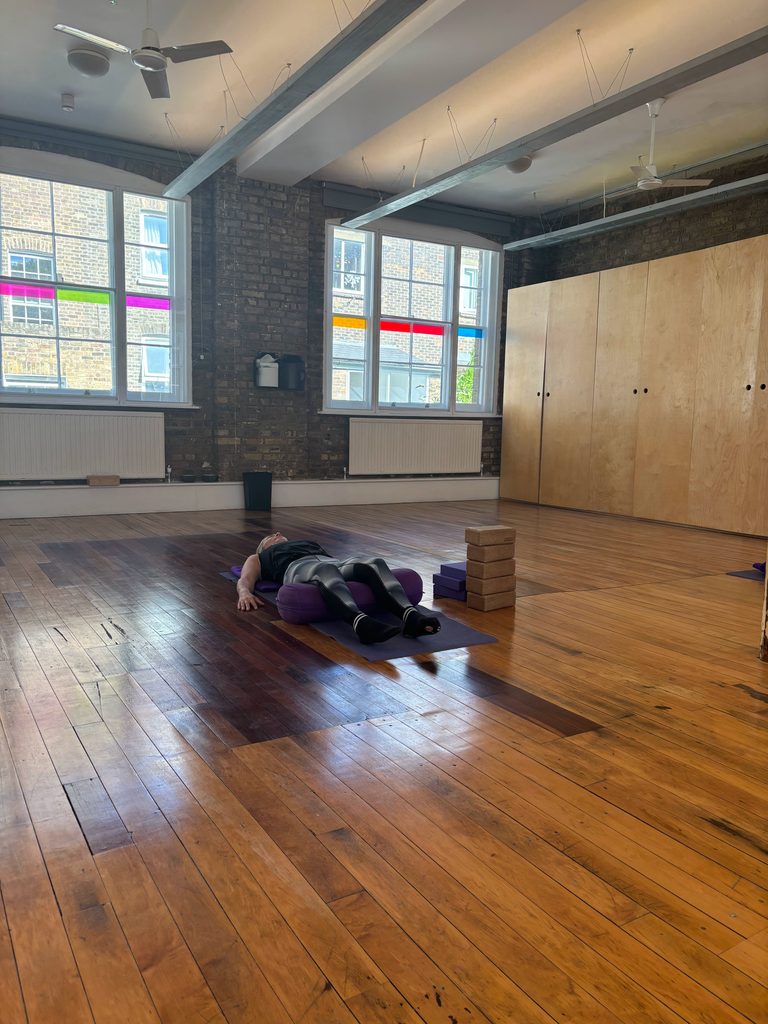
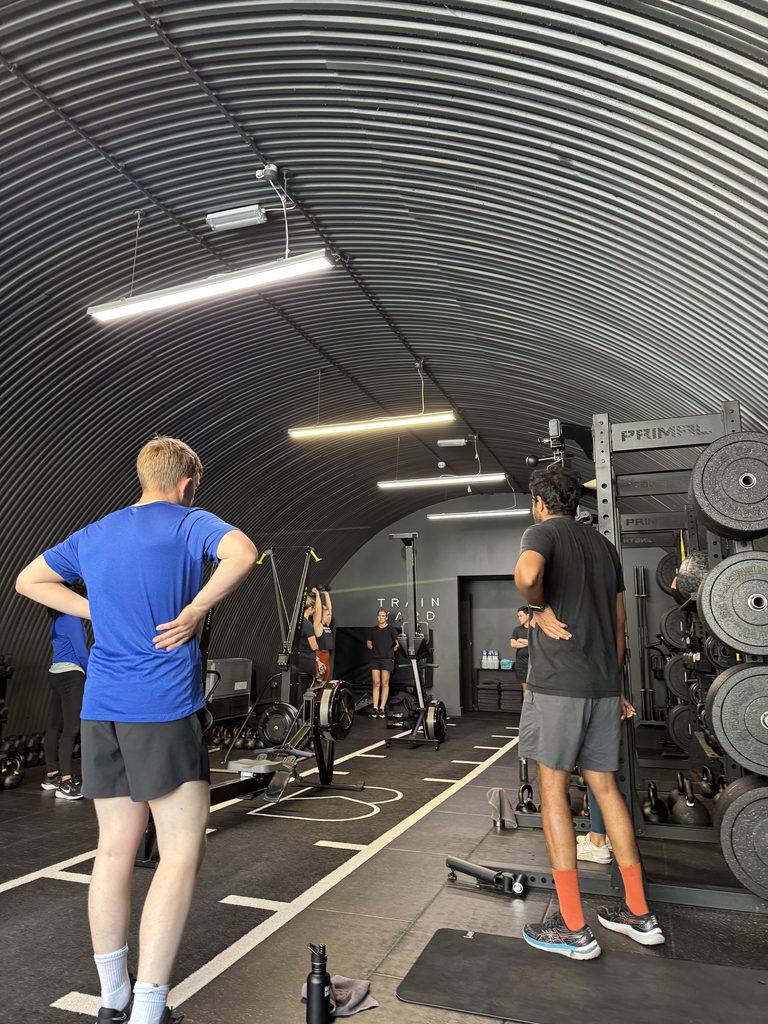
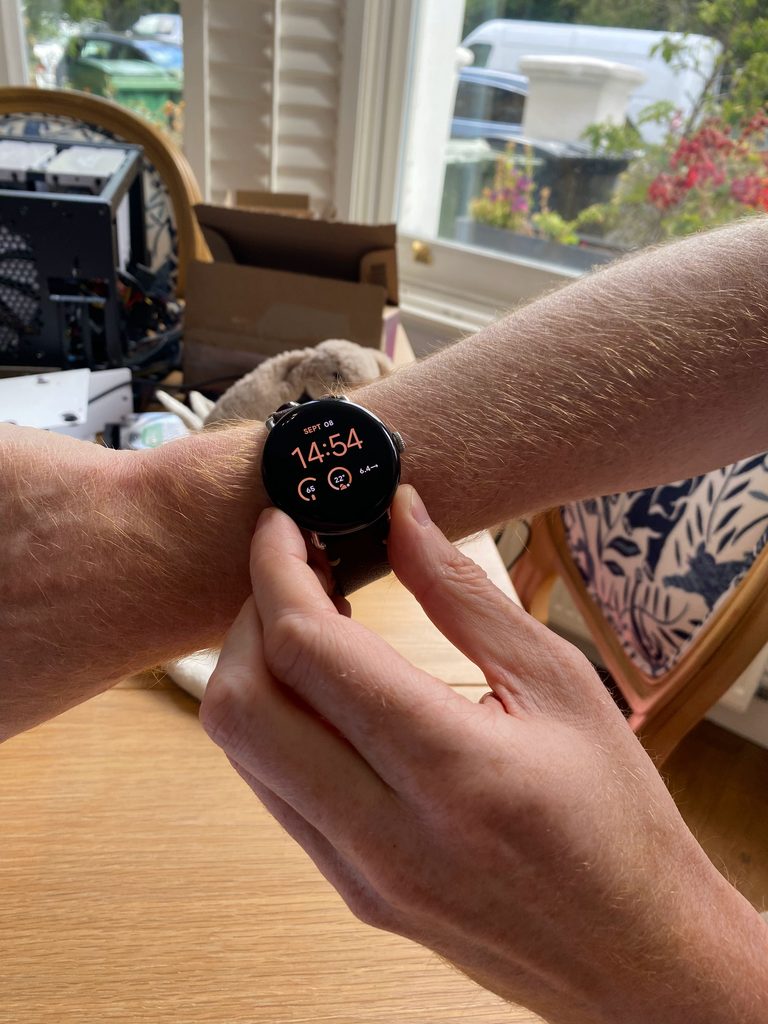
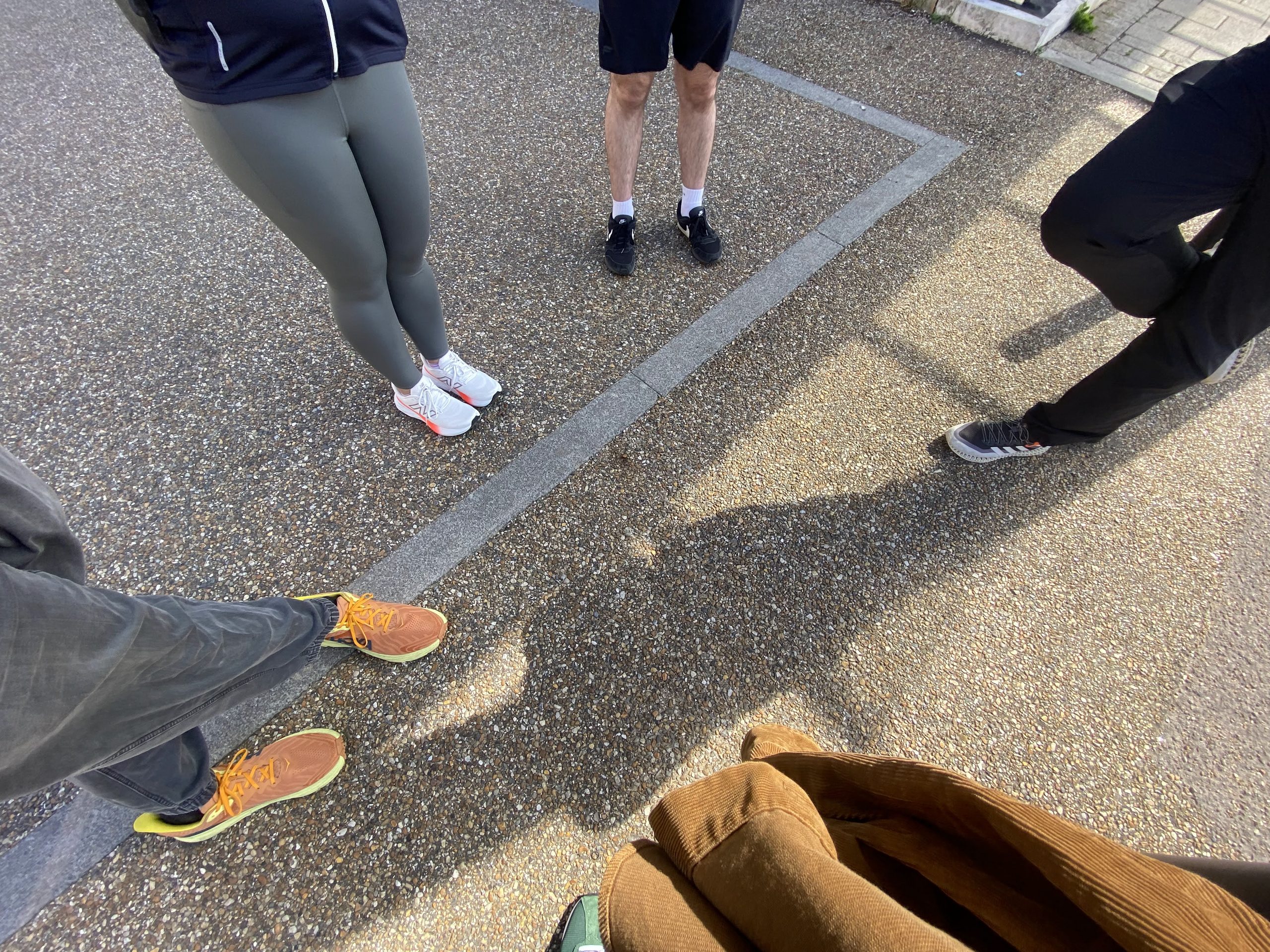
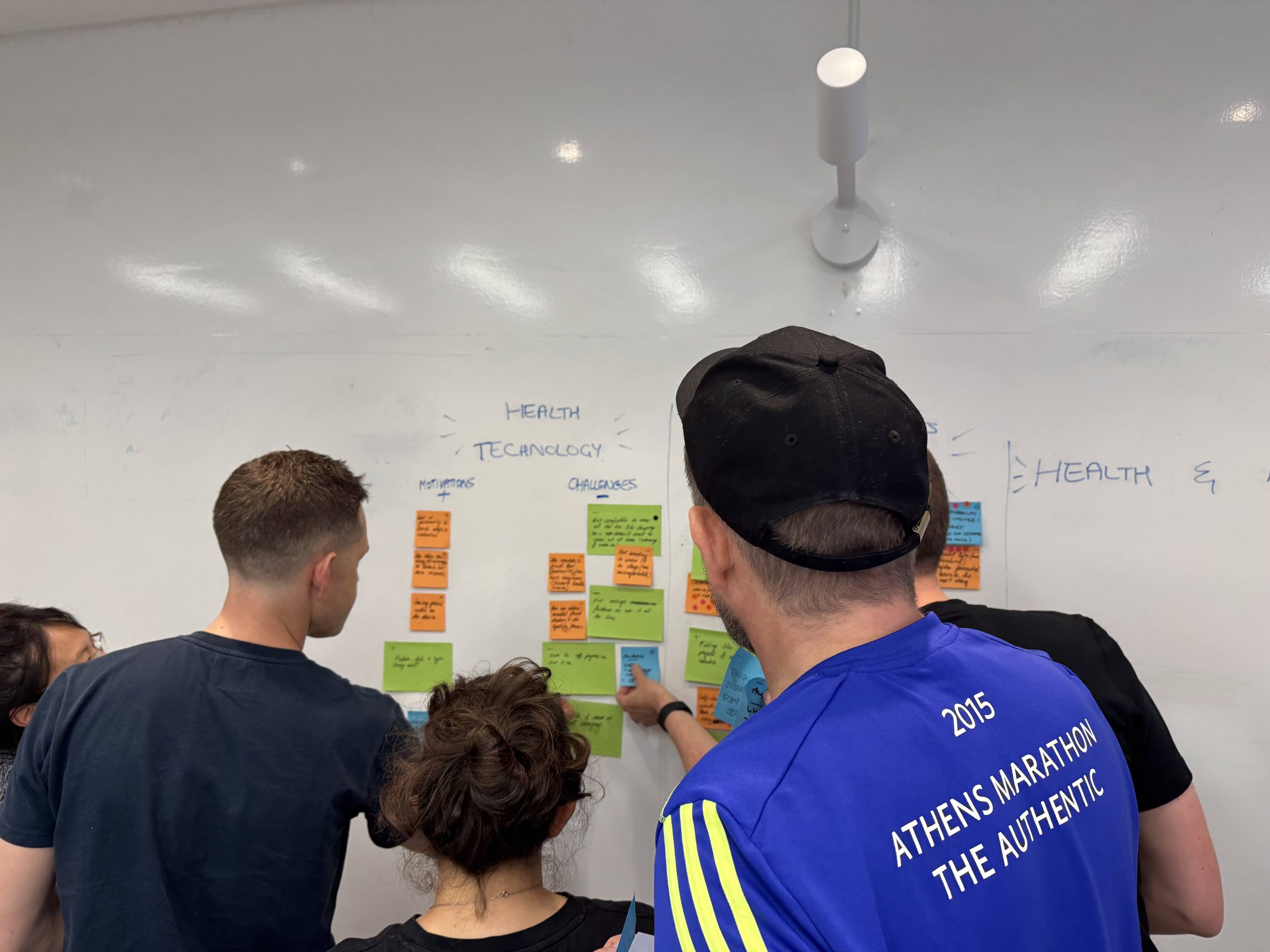
Google Health & Fitness understood how people tracked their fitness, but wanted its teams to understand the motivations and experiences behind the data. intO designed a one-day immersion in London that brought colleagues from across functions into direct contact with users. The experience helped the team:
Explore how fitness goals and habits fit into people’s everyday lives.
Build a shared understanding of the emotional drivers behind those behaviours.
By meeting users and reflecting together, colleagues could discuss product decisions with real experiences in mind, rather than relying on personas alone.
Google Wallet: Learning from Market Leaders in Brazil
Google Wallet: Learning from Market Leaders in Brazil To deepen its understanding of Brazil’s advanced fintech market, Google Wallet partnered with intO for a multi-layered research programme. Combining usability testing, competitor analysis, and stakeholder cultural immersion, the study revealed:
How Brazilian consumers perceive Wallet Flex UI’s value.
Attitudes towards competitor payment methods.
Unique behaviours of both consumers and merchants interacting with payment tools.
The research inspired local product strategies while showcasing global opportunities for innovation, cementing Brazil’s position as a fintech leader.
“Cultural immersions bridge data with real-world understanding,” says Joanna Brassett. “In Brazil, seeing the fintech ecosystem up close transformed Google’s product vision.”
A Framework for Effective Immersions
An effective immersion starts with the decision it needs to inform. From there, we:
Set clear objectives: Identify the questions, assumptions and decisions that will guide the experience.
Choose the right people and settings: Recruit participants and select contexts that can reveal how relevant behaviours happen.
Prepare stakeholders: Give everyone a clear role and guidance on how to participate without disrupting the research.
Design purposeful encounters: Combine observation, conversation and activities as the brief requires.
Make space for reflection: Capture observations, compare perspectives and identify emerging questions during the experience.
Connect learning to action: Distil the evidence into findings and implications at the level of depth agreed for the project.
“Immersions are as much about the process as the outcomes,” says Mariana De Luca, Project Manager at intO. “We ensure the experience is seamless, insightful, and impactful for everyone involved.”
If you are planning an immersion in a new market, our free Cultural Immersion Planner offers checklists and practical guidance on objectives, local expertise, stakeholder participation, logistics and synthesis.
An immersion gives stakeholders experiences they can refer back to when discussing users and making decisions. The value comes from pairing those encounters with careful research design and a clear process for interpreting what the team has learned.
intO brings together research design, participant recruitment, facilitation and local expertise where needed. We shape the experience and its outputs around the question your team needs to answer.
“Immersions are transformational,” adds Mariana. “They foster a deep connection to the people we’re designing for, which results in more meaningful, impactful solutions.”
At intO, we specialise in orchestrating immersive research experiences that deliver unparalleled insights and alignment. With Local Researchers embedded in over 50 countries, we provide the expertise, resources, and cultural sensitivity needed to make every immersion a success.
Planning an immersion? Get in touch with Nitika Wahi to discuss the decision ahead and the people your team needs to understand.
Drawing on three years of AIBA conversations, Clare English, Marketing Director at intO, explores how the AI debate is shifting towards questions of trust, judgement, culture and what we choose to keep human, ahead of new intO research into the future of human-AI collaboration.
Following conversations with more than twenty senior Product and UX Research leaders, intO Founder and CEO Joanna Brassett is taking the conversation to the Bay Area. This September, intO will bring together senior leaders to explore how AI, continuous discovery and shifting responsibilities are reshaping the relationship between Product and UX Research.